|
Psychology 3203 Perception - Spring 2006 |
||
|
|
|
|
|
|
||
|
|
|
Course Requirements, etc. |
|
|
|
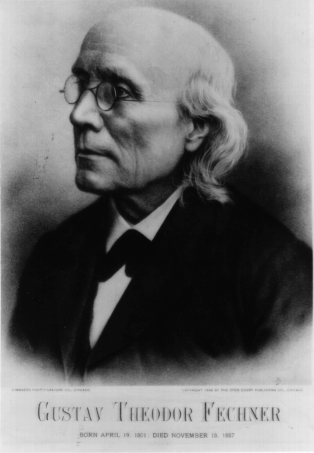
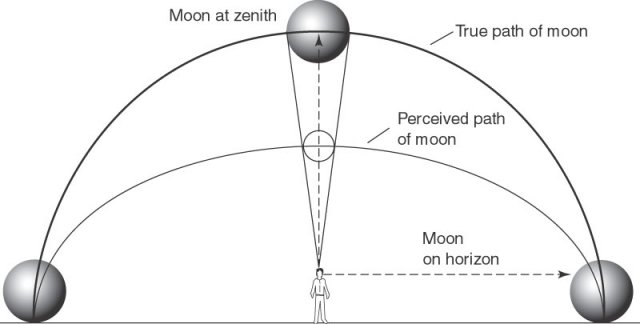
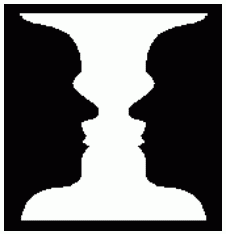
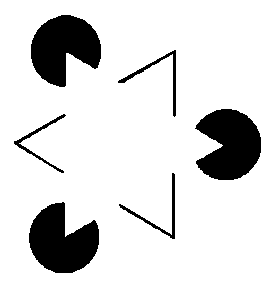
Classic Visual Illusions - What do they tell us? Fechner and the mind-body problem The importance of the absolute threshold Your Textbook: 24-26 |
|
|
|
Classical Psychophysical Techniques Example Psychophysical Function for Absolute Threshold Your Textbook: 24-26 |
|
1/16
|
M
|
Martin Luther King Day |
|
|
|
|
|
|
|
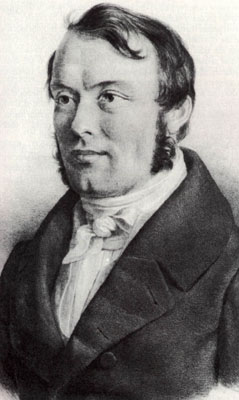
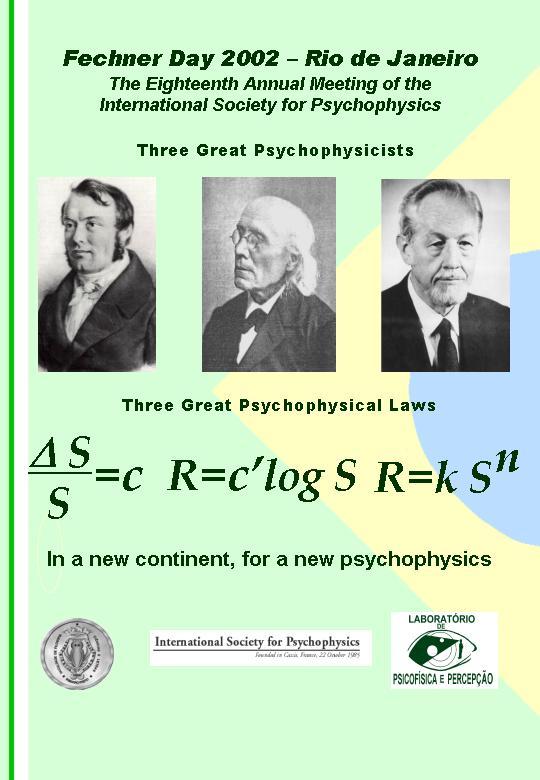
Difference thresholds & Weber's Law Your Textbook: 37-38 |
|
|
|
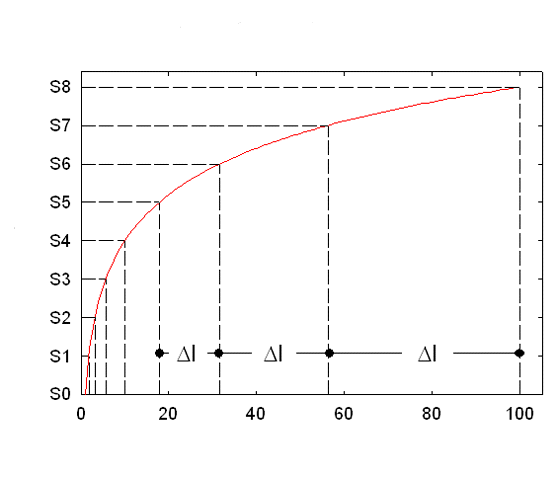
Fechner's
Law |
|
|
|
Magnitude estimation & Steven's Power Law Partition Scales Your Textbook: 40-42 |
|
|
|
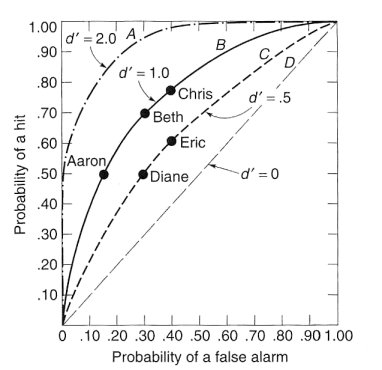
Signal Detection Theory |
|
|
|
Signal Detection Theory Separating Strategy from Sensitivity Your Textbook: 27-34 |
|
|
|
It's all about 3 guys Question & Answer/Review |
|
|
|
Test 1 |
|
|
||
|
|
|
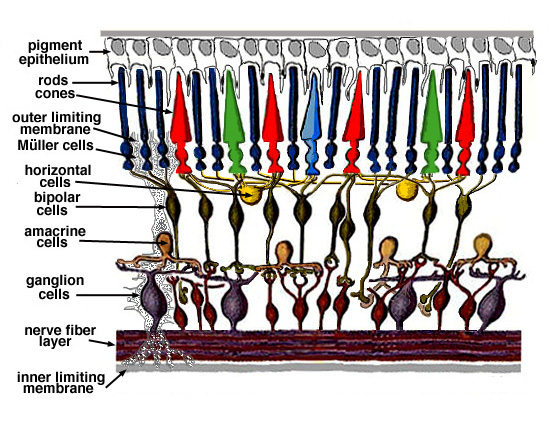
What is light? Light is a portion of the Electromagnetic Spectrum Types of reflection Your Textbook: 47-50 ---------------------------------------------------------------------- Everything you wanted to know about the Vertebrate Retina Your Textbook: 51-70 |
|
2/8
|
W
|
Structure of Eye continued |
|
|
|
Duplex Retina Your Textbook: 89-95 |
|
|
|
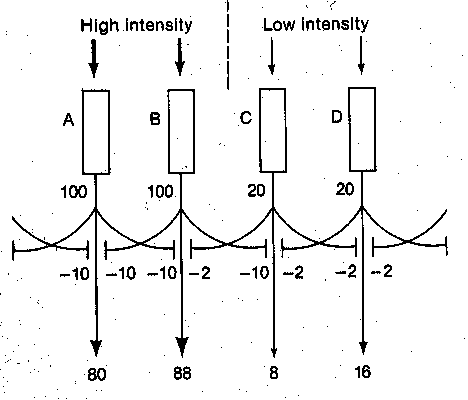
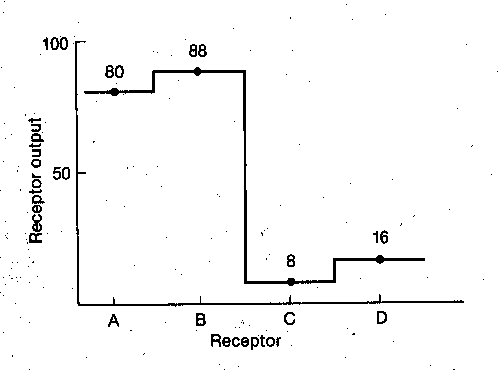
Brightness Constancy |
|
|
|
Your Textbook: 142-150 |
|
|
|
Color The Munsell System of Color Notation Your Textbook: 117-125 |
|
|
|
Mechanisms of Color Helmholtz's
Color Mixing Experiments Young-Helmholtz Trichromatic Theory Spectral Sensitivity of Photoreceptors Return to the Color Circle Another Look at the Retina Your Textbook: 129-134 |
|
|
|
Color Blindness and Color Deficiencies Your Textbook: 135-138 |
|
2/24
|
F
|
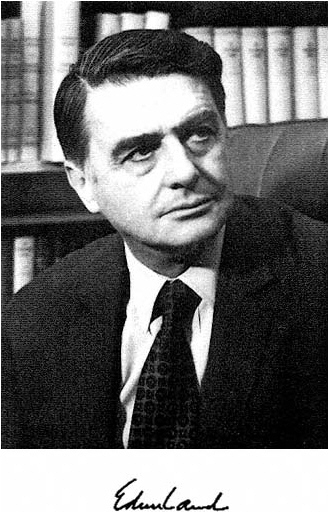
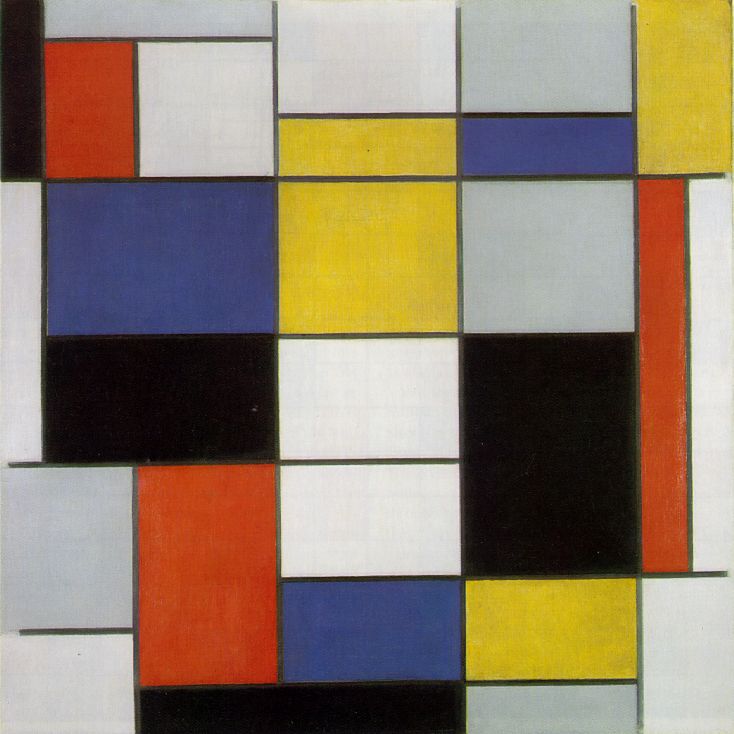
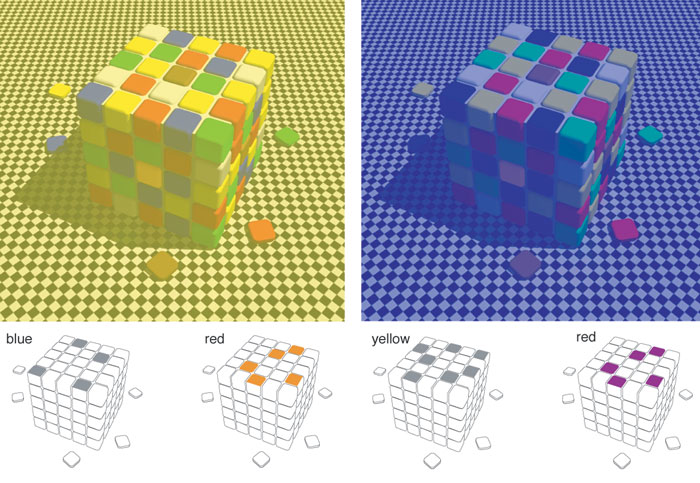
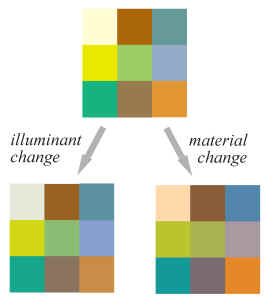
Simultaneous Color Contrast Color Constancy Edwin Land - Mondrian Experiments |
|
|
|
Finding Edges vs. Filling In |
|
|
|
Question & Answer/Review |
|
|
|
TEST 2 |
|
VISION
II
|
||
|
|
|
Space, Distance, & Depth - Binocular Cues Your Textbook: 233-240 |
|
|
|
Manipulation of Binocular Cues
to Produce |
|
3/10
|
F
|
Space, Distance, & Depth - Monocular Cues Your Textbook: 218-232 |
|
3/13
|
M
|
Spring Break! |
|
3/15
|
W
|
|
|
3/17
|
F
|
|
|
|
|
Perception of Movement Corollary Discharge Theory Your Textbook: 194-200 |
|
|
|
Stroboscopic Motion: Phi and MagnaPhi Stroboscopic Motion: Wagon wheel Illusion |
|
|
|
|
|
|
|
Form Change Blindness Your Textbook: 168-184 |
|
|
|
Question & Answer/Review |
|
|
|
TEST 3 |
|
AUDITION: Parallels and Differences |
||
|
|
|
Physics of Sound Your Textbook: 315-325 |
|
|
|
Auditory Physiology Your Textbook: 325-332 |
|
|
|
Auditory Physiology & Pitch Otoacoustic Emissions Your Textbook: 332-338 |
|
|
|
Psychophysics of Pitch and Loudness Your Textbook: 347-357 |
|
|
|
Sound Localization Your Textbook: 365-374 |
|
|
|
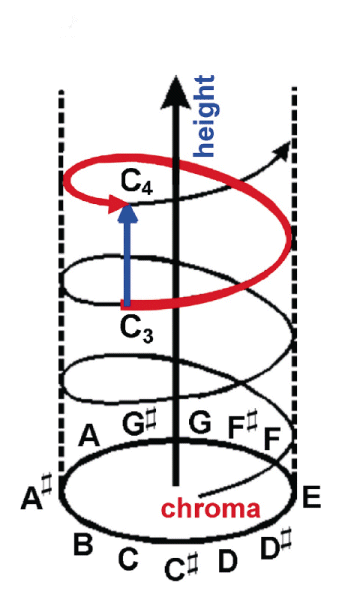
Music Pitch Perception Your textbook: 376-380 |
|
4/17
|
M
|
Easter |
|
4/19
|
W
|
Catch-up day |
|
|
|
Question & Answer/Review |
|
4/24
|
M
|
TEST 4 |
|
|
|
Review for Final Exam |