|
Psychology 3215 Perception - Summer 2013 |
Smith Wright 310F Office Hours: 12:30 - 1:30 MTWR, and by appointment phone: 262-2272 x-436 email: [email protected] Textbook: J. M. Wolfe et al. (2012). Sensation & Perception (3rd ed.) Online material: www1.appstate.edu/~kms/ Description of the course: This is an introductory survey course on perception. Historically, the study of perception is one of the first areas to emerge in psychology, and is concerned with the question of how we know the world. Answers involve being able to bridge three topic areas: a description of the physical stimulus (what is light? What happens when light rays strike an object?), how our bodies react to that stimulus (what happens when light rays hit the back of our eyes?), and the relation of both of those to our perceptual experience (What a delicious looking apple!). So be prepared to do skipping back and forth as we will integrate physics, physiology, and phenomenology. The course is broken into four sections. The first section is concerned with the psychophysical method. This sections covers the methods by which people establish the relationship between physical events and subjective experience. The psychophysical method is both a philosophy about how to think about the world and a set of techniques derived from that philosophy. Next we will move to vision, the most investigated system. We will begin with some basic physiology and then move into an analysis of brightness, color, and form. In the next section, we will examine the perception of space, motion, and form (again). In the final section, we will cover audition, the next most investigated system. In all cases we will be connecting 3 descriptive systems-- physics, physiology, and the perceptual experience. One of the fun aspects of studying perception is that the effects are easy to see with just one subject, and that subject can be yourself. SO I do many mini-experiments/demonstrations in class. I put the demonstrations and figures on my website so that you can look at them at other times. Plan on visiting my website often. Go to http://www1.appstate.edu/~kms and click on the link to this class. The "Topics" link will take you to the in-class material. The class schedule below is a brief version of the topics webpage. Go to the topics webpage to see all the details. There are many more links than we will use in class. Some are there for fun and some are there so that I can respond to questions. I will point out the important links as we go through the material. You may want to print the complete topics page out so that you can make notes about the flow of the course. Tests, grades, and your busy schedule: There will be four multiple-choice tests during the session. The percent correct for each test will be averaged across the four tests to compute your final grade. I will post a study guide and there will be a question and answer period preceding each test. Come prepared and use it to your advantage. There is an optional multiple-choice final exam. Your final grade is based on the average of 4 exams. If you have taken 4 exams and are happy with your grade then you do not have to take the final exam. If you have taken 4 exams during the session, and the final exam, then your grade will be based on your 4 highest scores. If you miss an exam during the session then the final exam serves as the "make-up" exam. You can only make-up one exam. The final letter grade will be assigned on a 10- point scale (100-90, A; 89-80, B; 79-70, C; 69-60, D; below 60, F). Pluses and minuses will be assigned for averages that are 2 points from a higher or 2 points from a lower grade (e.g., C+ for a 78 or 79, C- for a 70 or 71). Finally, remember that your grade is a measure of your performance and not whether I like you, how smart you are, how busy you are, etc., etc. Save yourself time wasted in groveling for points. Attendance, classroom behavior, and life: I will call attendance for the first few classes so that I can connect names with faces. I don�t record daily attendance because I assume that you are adults, and will only miss class when absolutely necessary. If you skip class then you will likely do miserably or fail tests. This is no joke. I make up the tests based on what happened in class. I test in detail on what I think the class should know. If you skip class and fail tests then I will have no sympathy. I will record attendance some variable number of times during the semester. If you are there 3/4 of the time or more then you will get a Woody Allen Award of a point on your final grade. (Woody Allen said, "Ninety percent of success is just showing up on time.") Please, Please, Please ask questions. Don�t let the moment of confusion pass by. Don�t worry about the rest of the class, your job is to make sure that you understand. |
Psychology 3215 Perception - Summer 2013 |
||
| Course Requirements, etc. | ||
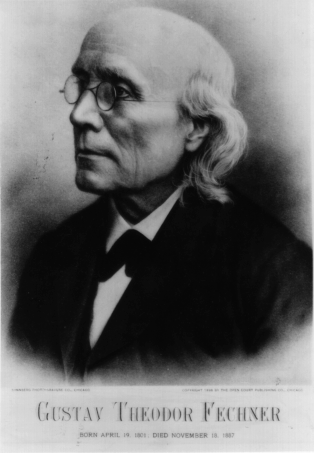
Classic Visual Illusions - What do they tell us? Fechner: The mind-body problem and the importance of the absolute threshold Classical Psychophysical Techniques Example Psychophysical Function for Absolute Threshold Your Textbook: 3-9 |
||
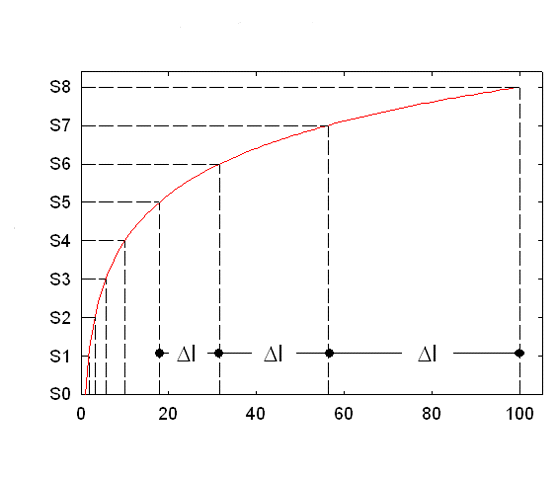
Difference thresholds & Weber's Law |
||
Weber's Law vs. Fechner's Law Your Textbook: |
||
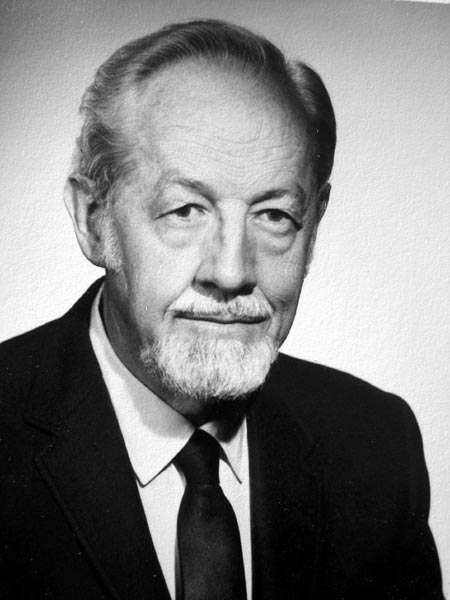
Magnitude estimation & Stevens' Power Law Your Textbook: 9-11 |
||
Signal Detection Theory Your Textbook: 11-15 |
||
Signal Detection Theory |
||
7/4 |
R |
State Holiday |
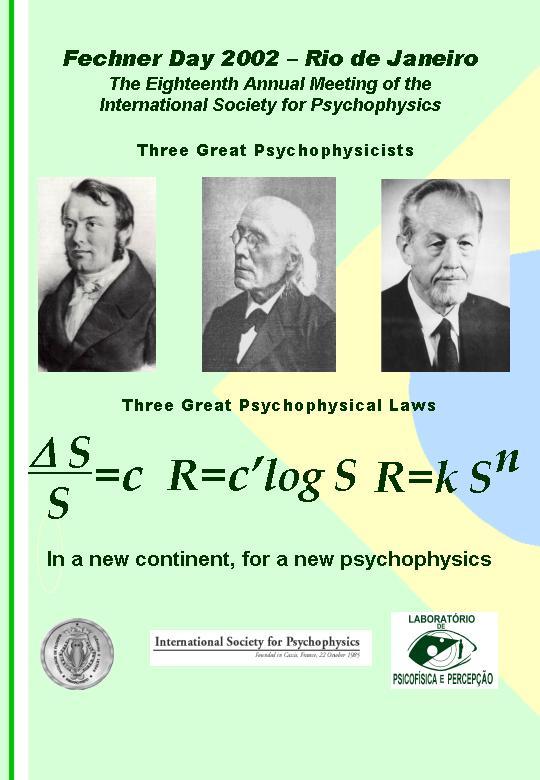
It's all about 3 guys ... Question & Answer/Review [ Study Guide ] |
||
Test 1 |
||
Test 1 Results |
||
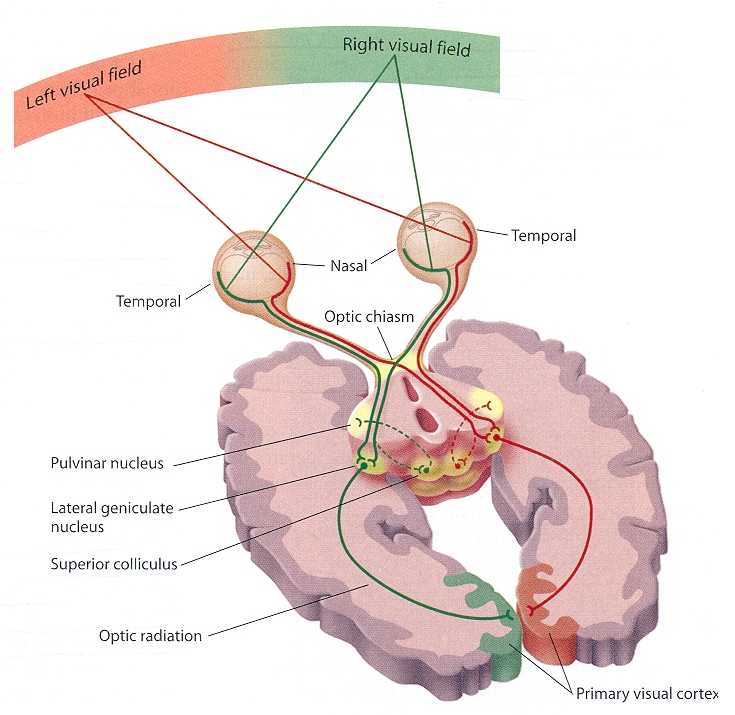
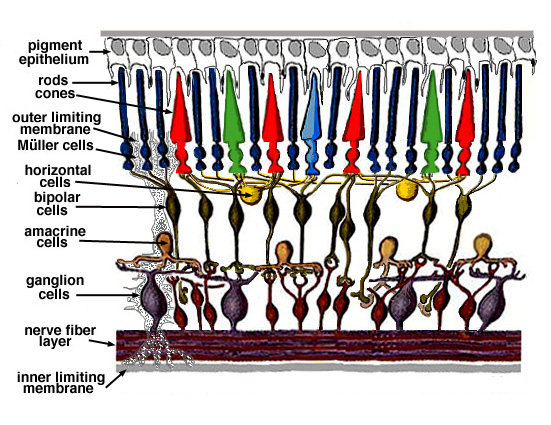
What is light? Your Textbook: 31-32 ---------------------------------------------------------------------- Everything you wanted to know about the Vertebrate Retina Your Textbook: 32-42 |
||
Structure of Eye continued |
||
Duplex Retina Purkinje Shift |
||
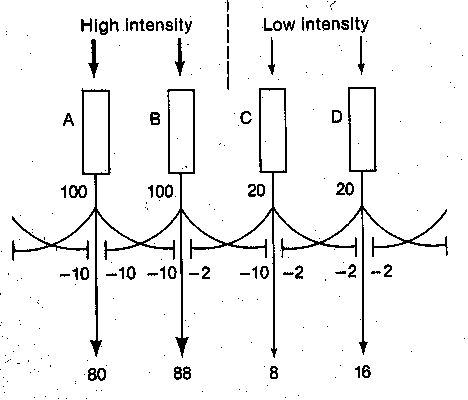
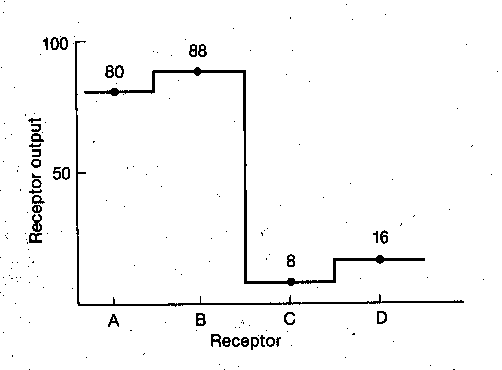
Brightness Constancy & Brightness Contrast Example of Simultaneous Brightness Contrast Issue of Luminance vs Reflectance |
||
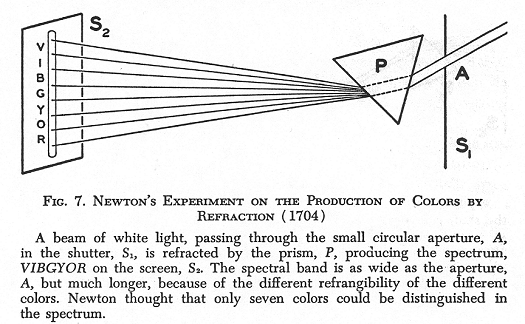
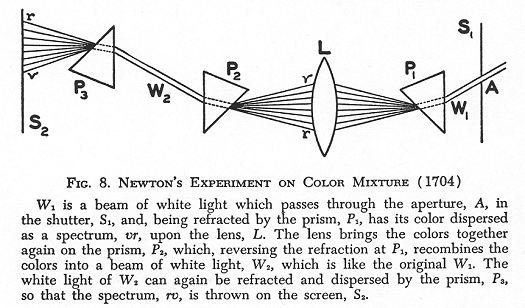
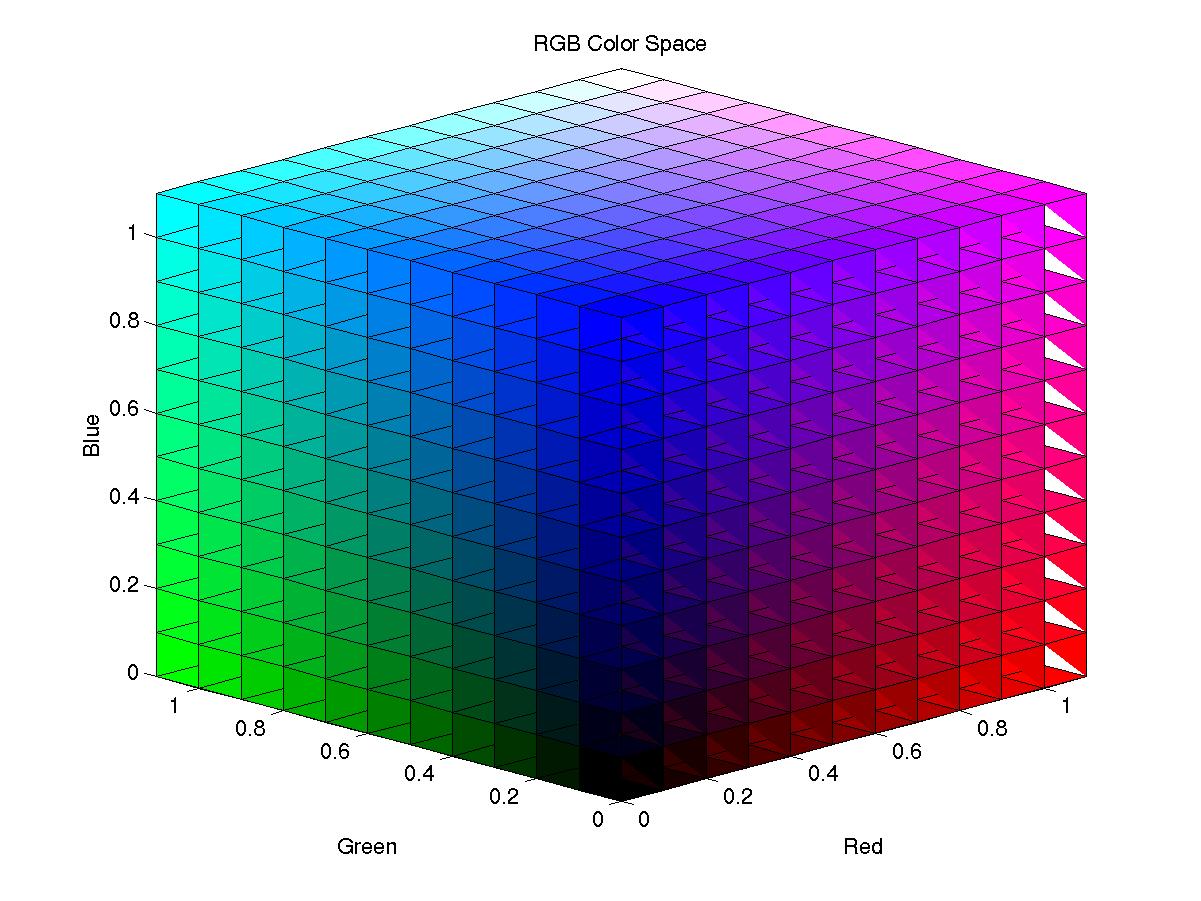
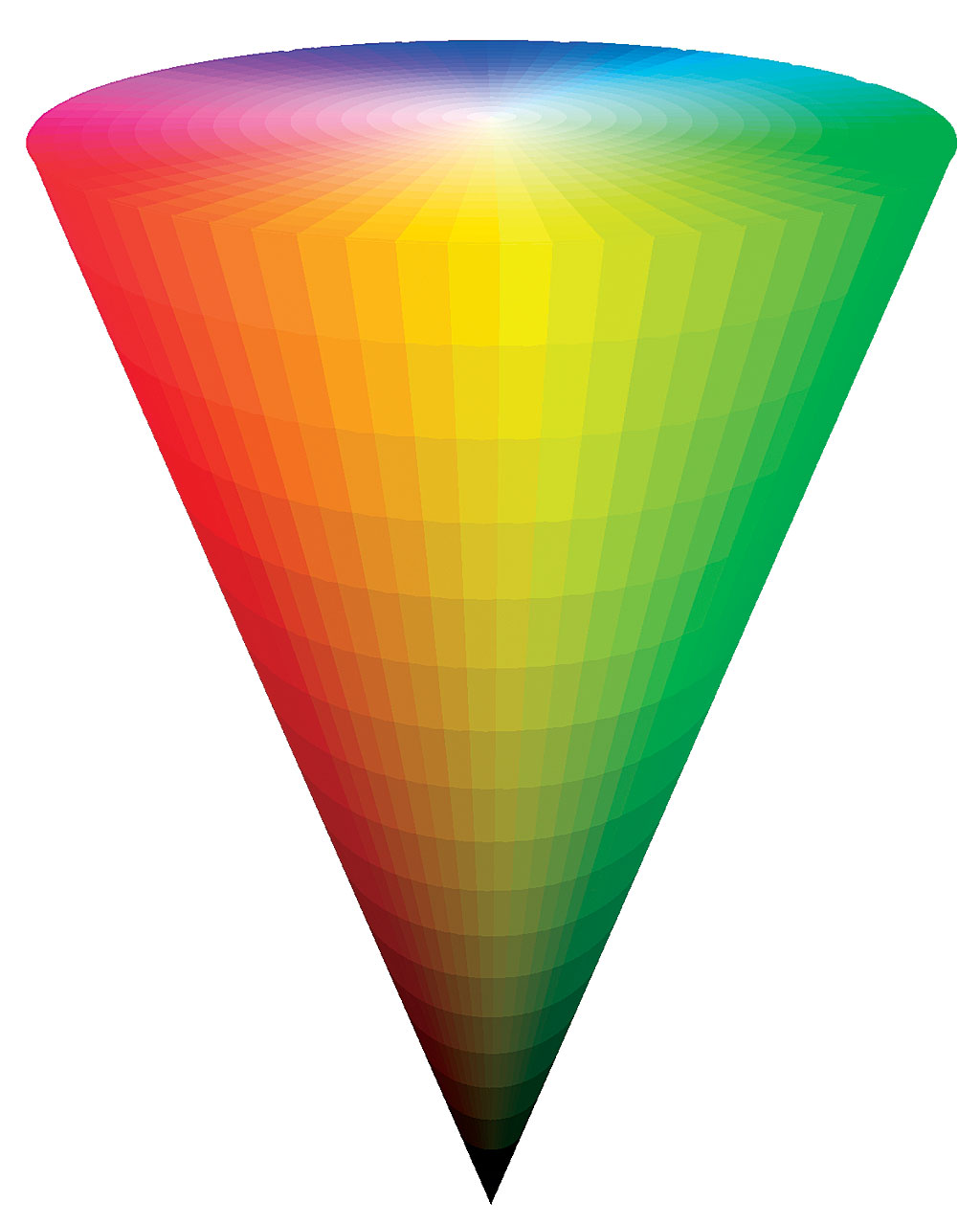
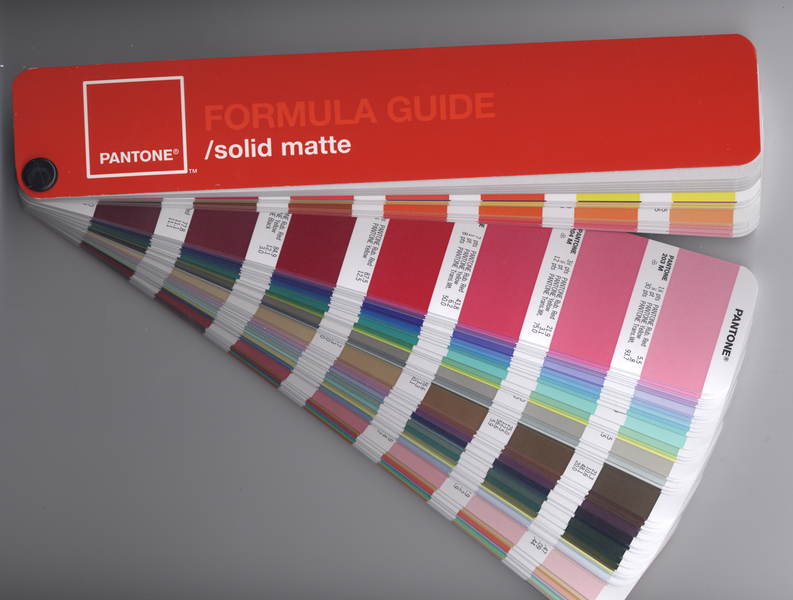
Color Newton's Separation Experiment The Munsell System of Color Notation Pantone Matching System colors Your Textbook: 125-127 |
||
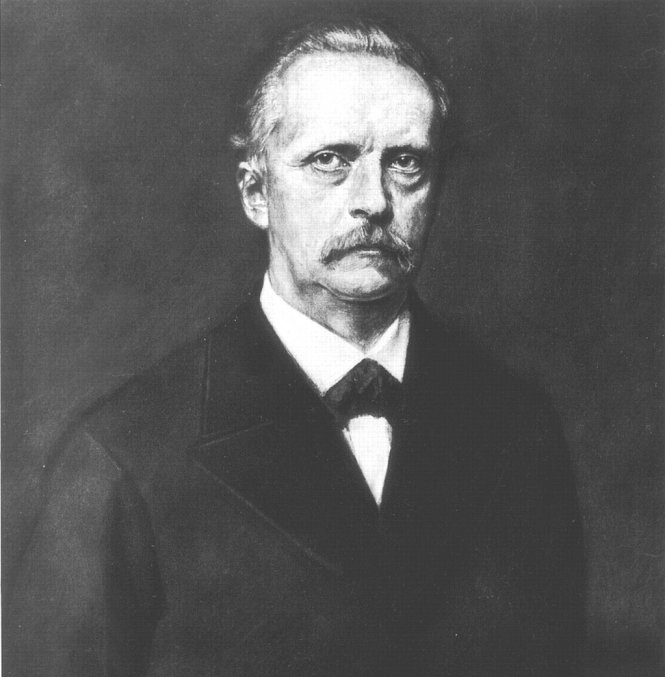
Mechanisms of Color Helmholtz's
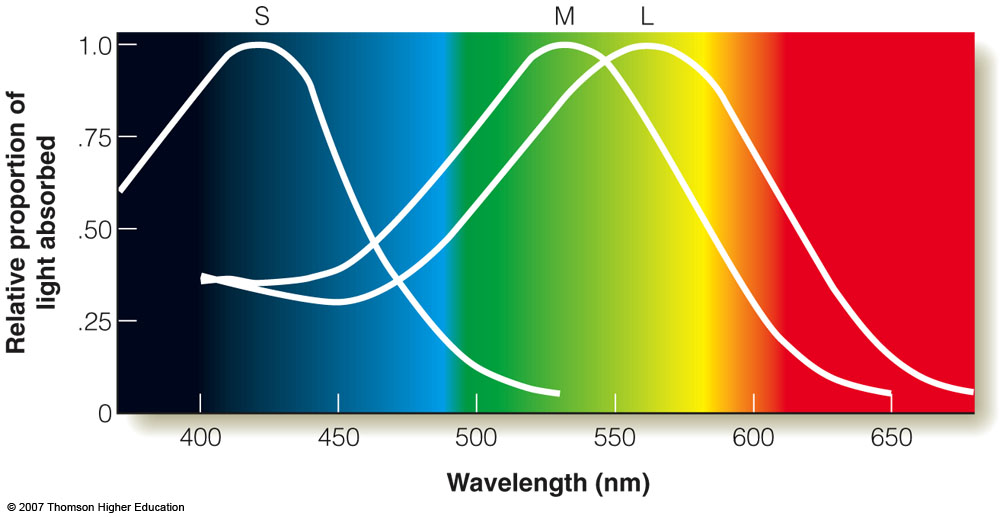
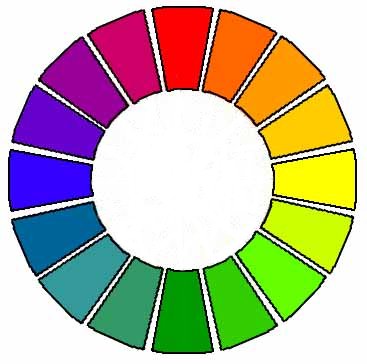
Color Mixing Experiments Spectral Sensitivity of Photoreceptors (2) Return to the Color Circle Another Look at the Retina Your Textbook: 120-124, 128-134 |
||
Color Blindness and Color Deficiencies Your Textbook: 135-36 |
||
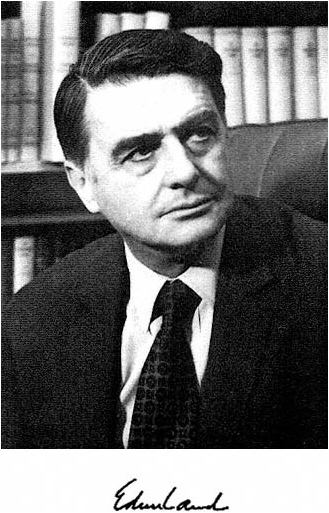
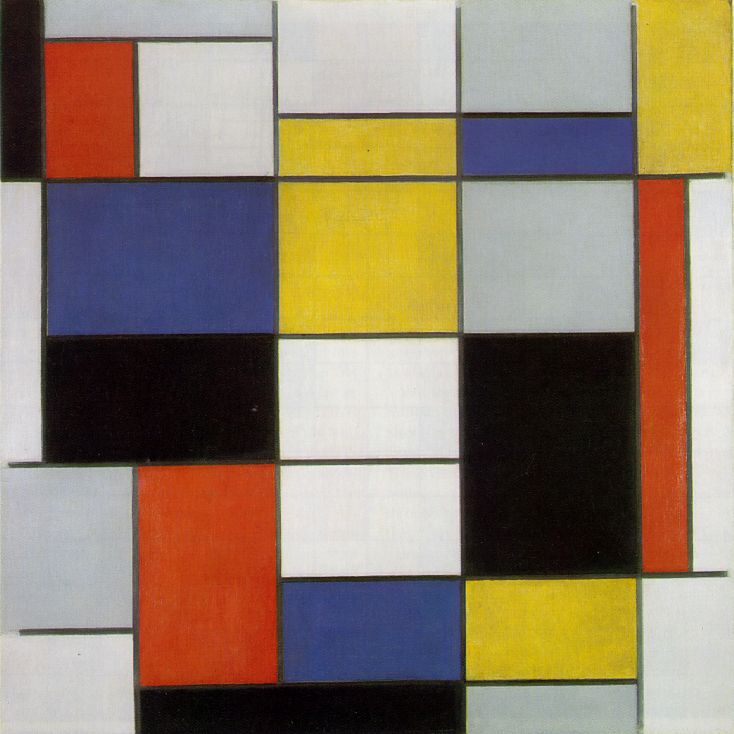
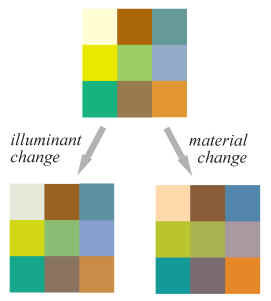
Color Contrast and Color Constancy Color Constancy Return to Issue of Source of Illuminance Edwin Land - Mondrian Experiments Chromatic Illuminance vs. Reflectance Your Textbook: 138-43 |
||
Finding Edges vs. Filling In Return to Diagram of Eye Subjective Colors |
||
Question & Answer/Review [ Study Guide ] |
||
TEST
2 |
||
Test 2 Results |
||
Space, Distance, & Depth - Binocular Cues Noncorresponding Retinal Points The Horopter and Retinal Disparity Your Textbook: 162-166 |
||
Manipulation of Binocular Cues
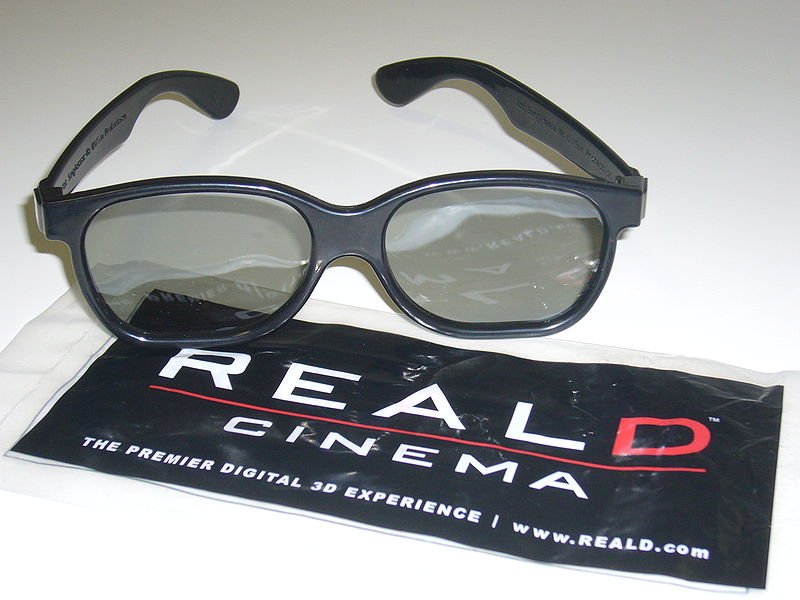
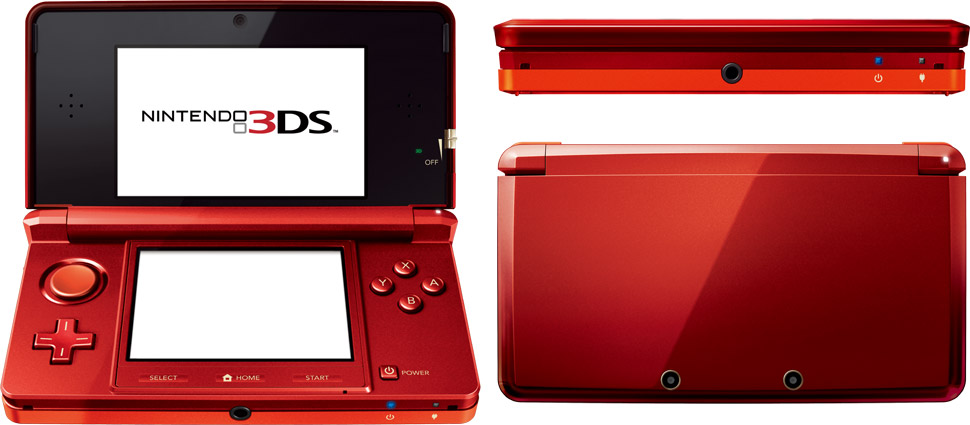
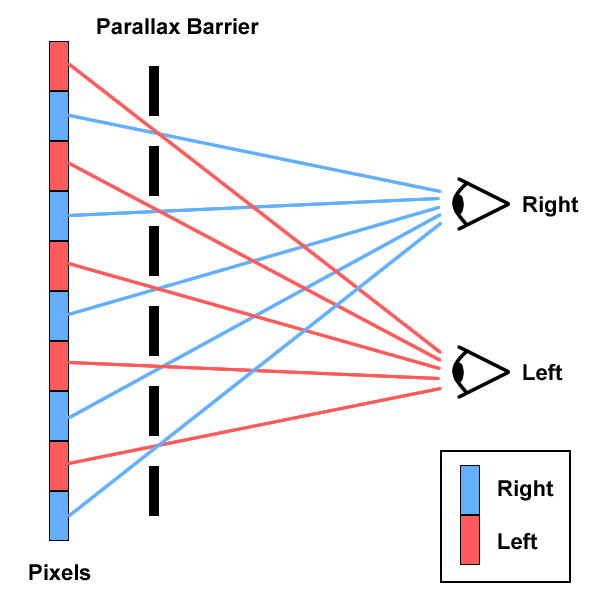
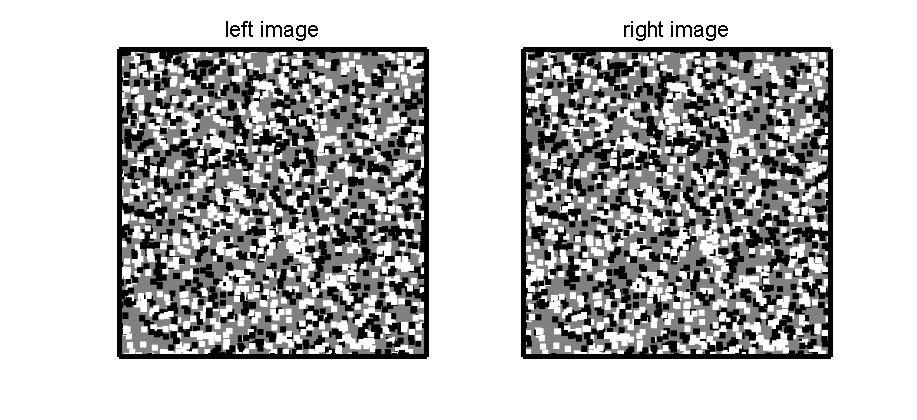
to Produce Modern Anaglyph - RealD 3D Nintendo 3DS - Parallax Barrier Technology Bela Julez and the Random Dot Stereogram Fooling Fusion - Single Image Stereograms Your Textbook: 166-171 |
||
7/18 |
R |
Space, Distance, & Depth - Monocular Cues Ames Room (2 Mb QT Movie) Your Textbook: 152-159 |
Perception of Movement Autokinetic Effect Your Textbook: 235-240 |
||
Your Textbook: 160-161, 232-233 |
||
7/23 |
T |
Stroboscopic Motion: Beta vs. Phi |
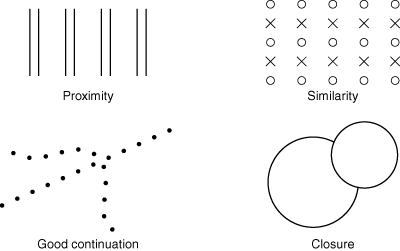
Form The Gestalt Psychologists and Von Ehrenfels The Problem of Prediction:
Object Recognition - Structural Approach Object Recognition - View-point / Image Approach Your Textbook: 91-112 |
||
Question & Answer/Review [ Study Guide ] |
||
TEST
3 |
||
Test 3 Results |
||
AUDITION: Parallels and Differences |
||
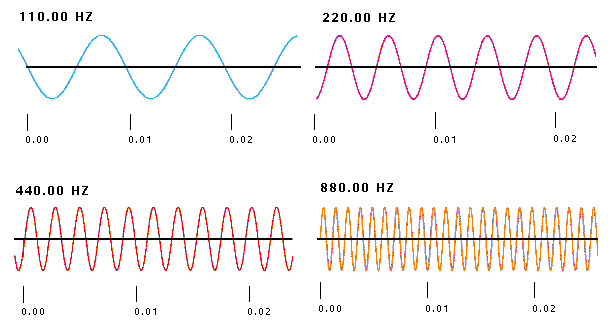
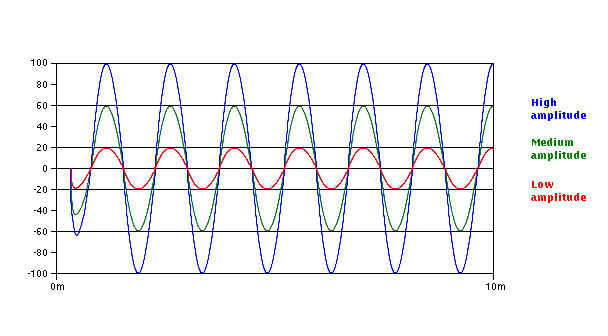
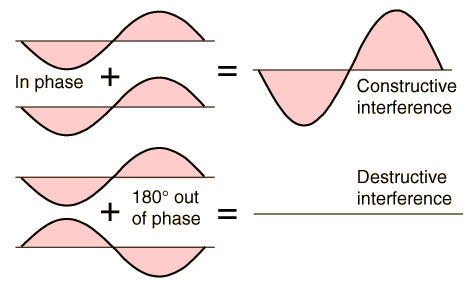
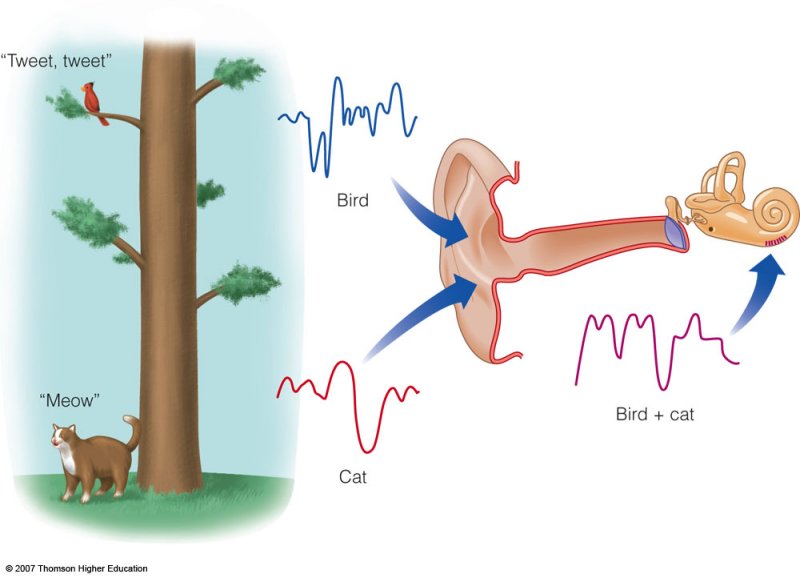
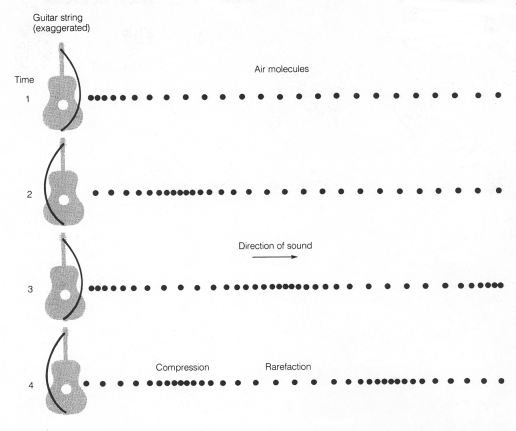
Physics of Sound A general problem for the hearing system Your Textbook: 244-247 |
||
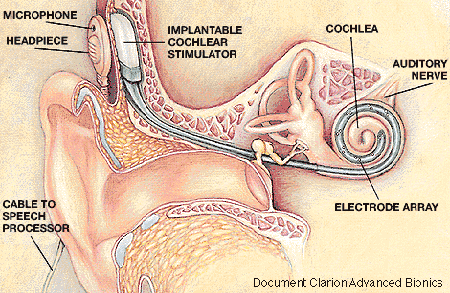
Auditory Physiology Your Textbook: 249-54 |
||
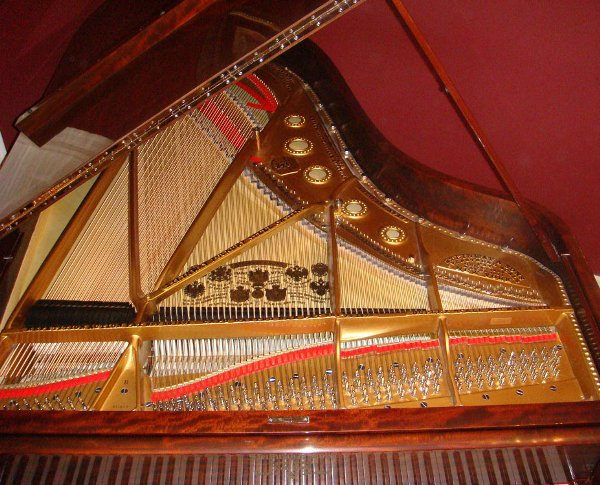
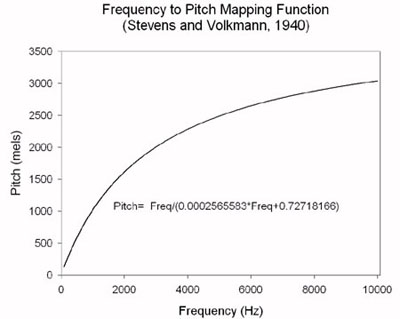
Auditory Physiology & Pitch Helmholtz - The inside of a piano Wever & Bray (1937) - Volley Principle
Damaged Hearing Otoacoustic Emissions Your Textbook: 254-261, 268-271 |
||
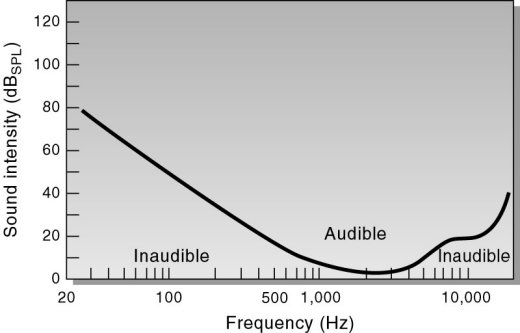
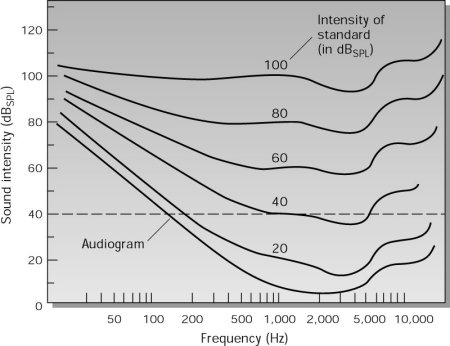
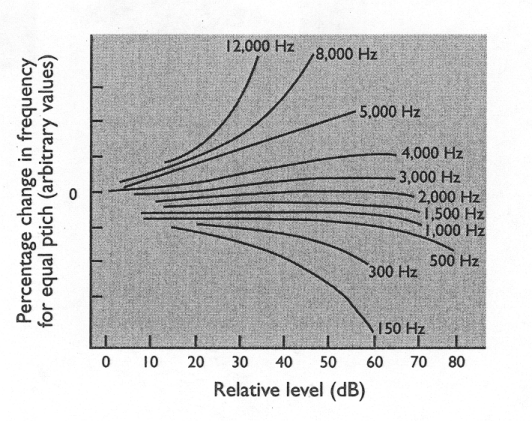
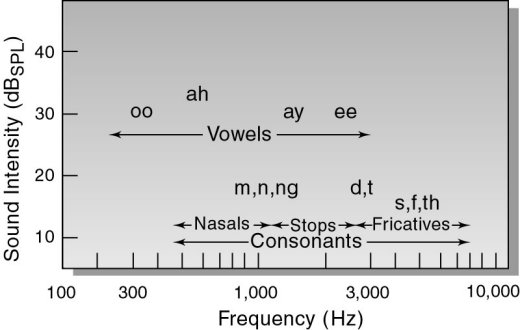
Psychophysics of Pitch and Loudness Equal Loudness Contour (Sound Demo) Amplitude-Frequency Shift (Equal Pitch Contours) Your Textbook: 264-268 |
||
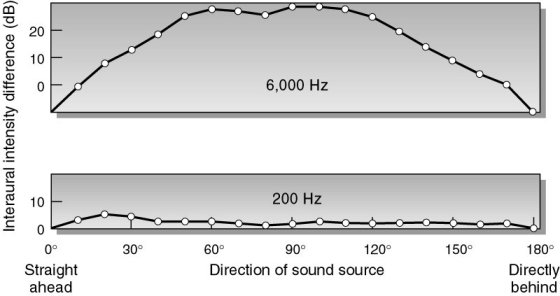
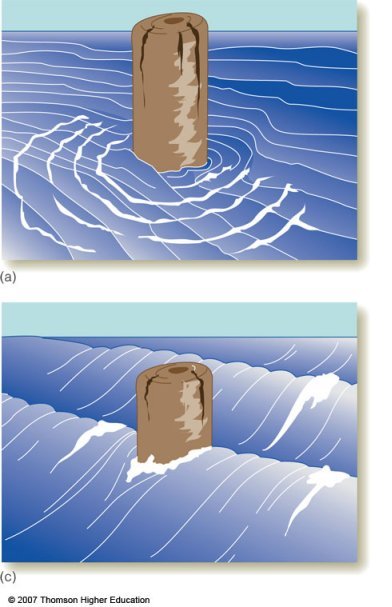
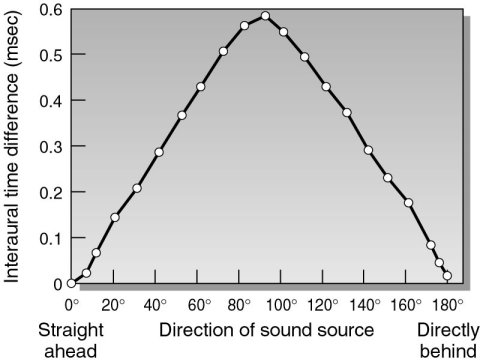
Sound Localization Interaural Intensity Difference - Frequency & Intensity Your Textbook: 275-286 |
||
Auditory Scene Analysis Principles of Auditory Grouping: Your Textbook: 292-300 |
||
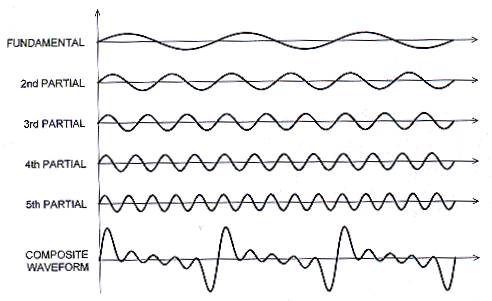
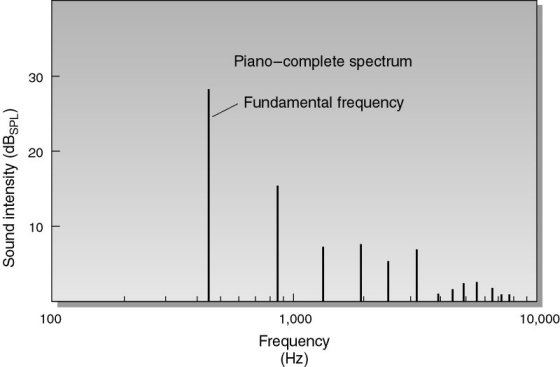
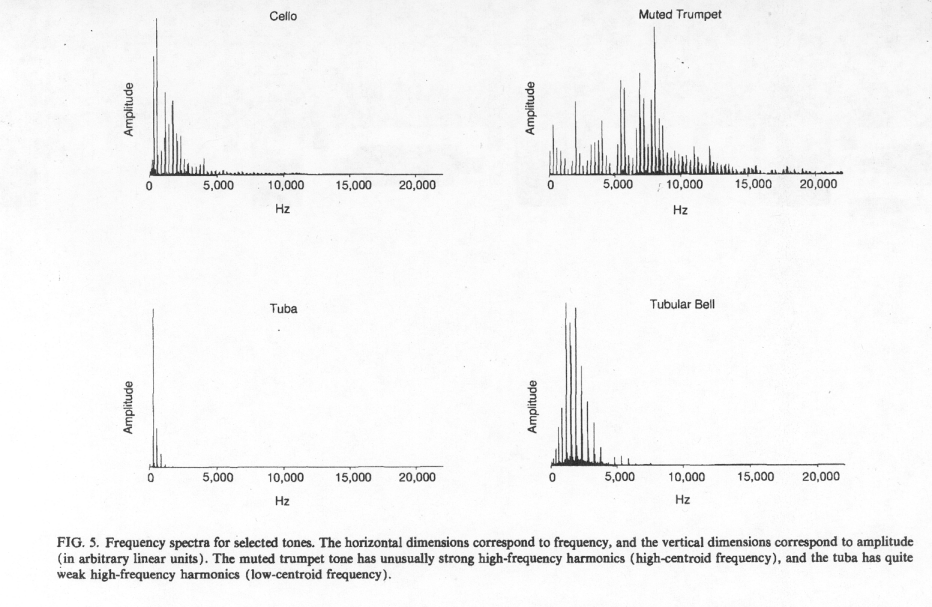
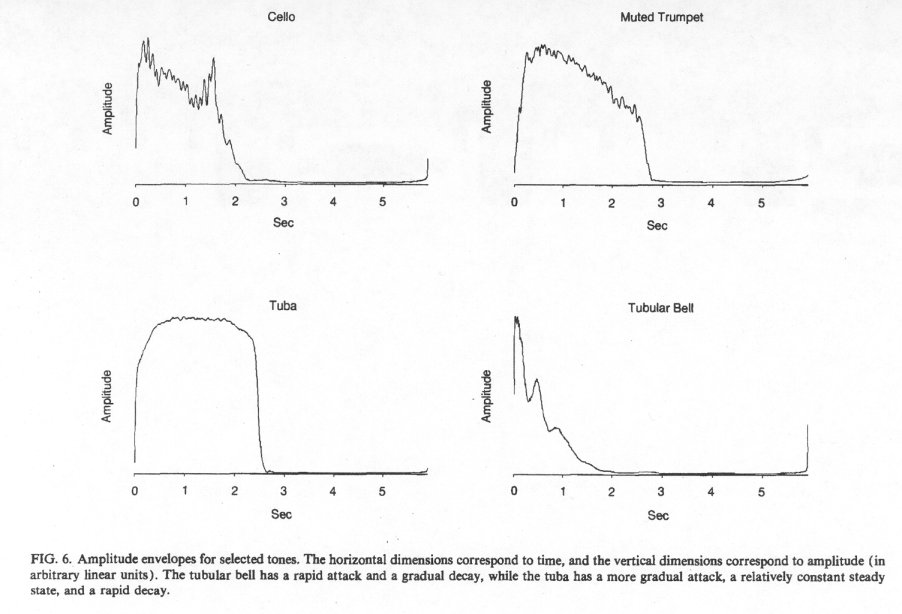
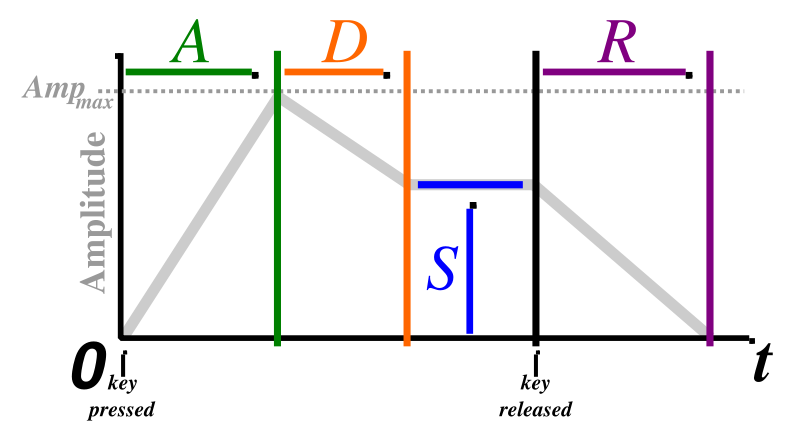
Music Pitch Perception Guitar Note (a closer look) Timbre Timbre - Static Differences Timbre - Dynamic Differences - ADSR The Missing Fundamental Effect Your Textbook: 286-292 |
||
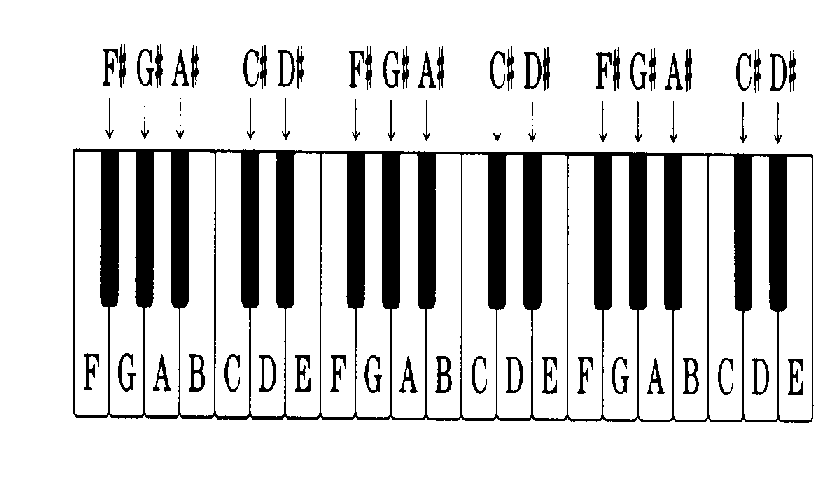
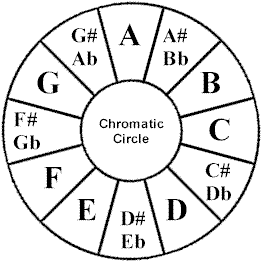
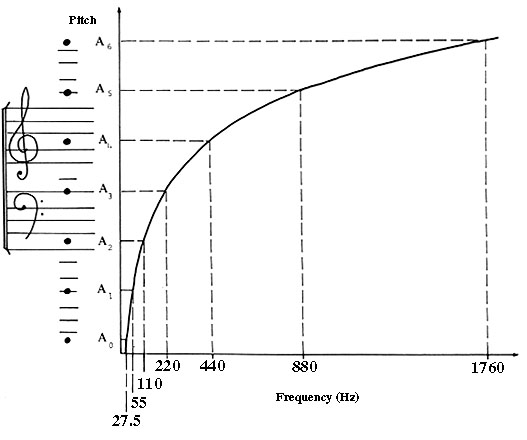
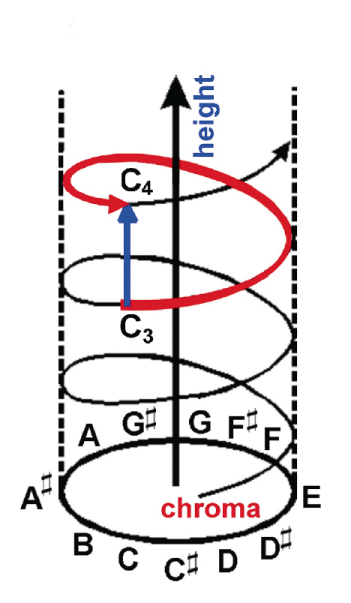
Pitch as a linear scale - Piano Keyboard Your Textbook: 303-309 |
||
Consonance & Dissonance Note pairs produce different listening experiences: Example Musical Consonance and Dissonance Chord Examples and Pattern (McDermott et al., 2010) Prediction of Consonance and Dissonance: Physics and Physiology |
||
Interactions Between Hearing & Seeing Visual Capture Your Textbook: |
||
Question & Answer/Review [ Study Guide ] |
||
TEST 4 |
||
TEST 5 |
||